
Gubbio's Ceramics, and the One Weekend a Year the Workshops Open Up
- 2 days ago
- 2 min read
Everyone who's spent any time in Umbria knows Deruta for ceramics — it's the name that comes up in every guidebook, and it earns the reputation. What fewer visitors know is that Gubbio, less than an hour away, has its own ceramic tradition entirely, and a much quieter one to explore.
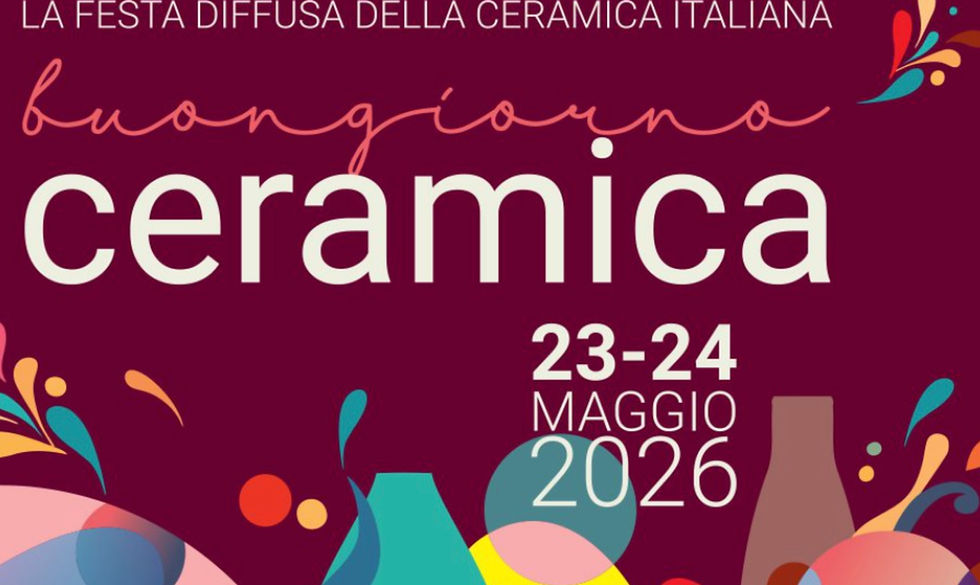
Best time to go: Late May, for one weekend in particular. Buongiorno Ceramica! is a two-day event held every year across sixty ceramic towns in Italy, and several of them are right here in Umbria, Gubbio included. Workshops that are normally closed to visitors open their doors, potters demonstrate at the wheel, and museums run tours you won't get the rest of the year. In 2026 it fell on 23–24 May; expect a similar late-May weekend most years, and check the dates before you plan a trip around it.
Gubbio, for something less polished
Gubbio doesn't draw the crowds Deruta does, and that's exactly the appeal. The town has its own ceramic tradition, distinct in both technique and look: lustreware with a glossy, almost metallic finish, and a blue-and-white style called zaffera that owes something to Moorish design. Prices tend to be friendlier here too, since Gubbio hasn't been packaged for tourism the way its neighbour has. One family workshop worth knowing about is Ceramiche Rampini, working in Gubbio since 1954 and rooted in the same lustreware tradition established by the town's most famous potter, Mastro Giorgio, in the 1500s. We usually send guests here for a quieter version of the Deruta experience — workshops you can actually walk into without a queue, and a proper wander through one of Umbria's best-preserved medieval towns while you're at it.

And a craft you won't see demonstrated
Perugia's own contribution to Umbria's artisan history is less visible, but worth knowing about before you go looking for ceramics elsewhere: the city has a long tradition of goldsmithing, tracing back to Etruscan granulation techniques that modern jewellers in the region still work with today. You won't find a workshop demonstration the way you can with ceramics or embroidery, but the Museo Archeologico Nazionale dell'Umbria (Facebook) in Perugia holds the ancient pieces that started it all — worth an hour if you want to see where the craft began before tracking down a contemporary goldsmith keeping it alive. One thing to check before you go: the museum has been closed for restoration work, with no confirmed reopening date yet, so it's worth verifying on their Instagram that it's open again before building a stop around it.

How we'd plan it
Gubbio is about an hour's drive from Altabella — the furthest out of our craft recommendations — so we'd build the whole day around it rather than trying to combine it with somewhere else. If your stay lands on the Buongiorno Ceramica weekend, that's the day to go — the workshops that are normally shut to browsers are worth rearranging a schedule for, and Gubbio in particular feels like a different town once its ateliers are open to the public. The Museo Archeologico Nazionale dell'Umbria in Perugia is about 50 minutes away by car.


